The Great Ocean Road is more than just a beautiful piece of coastline with spectacular views and famous landmarks like the Twelve Apostles. It’s also a maritime graveyard with a history as rough as the sea that crashes against its shores. Here are the stories of shipwrecks along the Great Ocean Road, each one adding a chapter to Australia’s maritime history.
The Loch Ard Tragedy
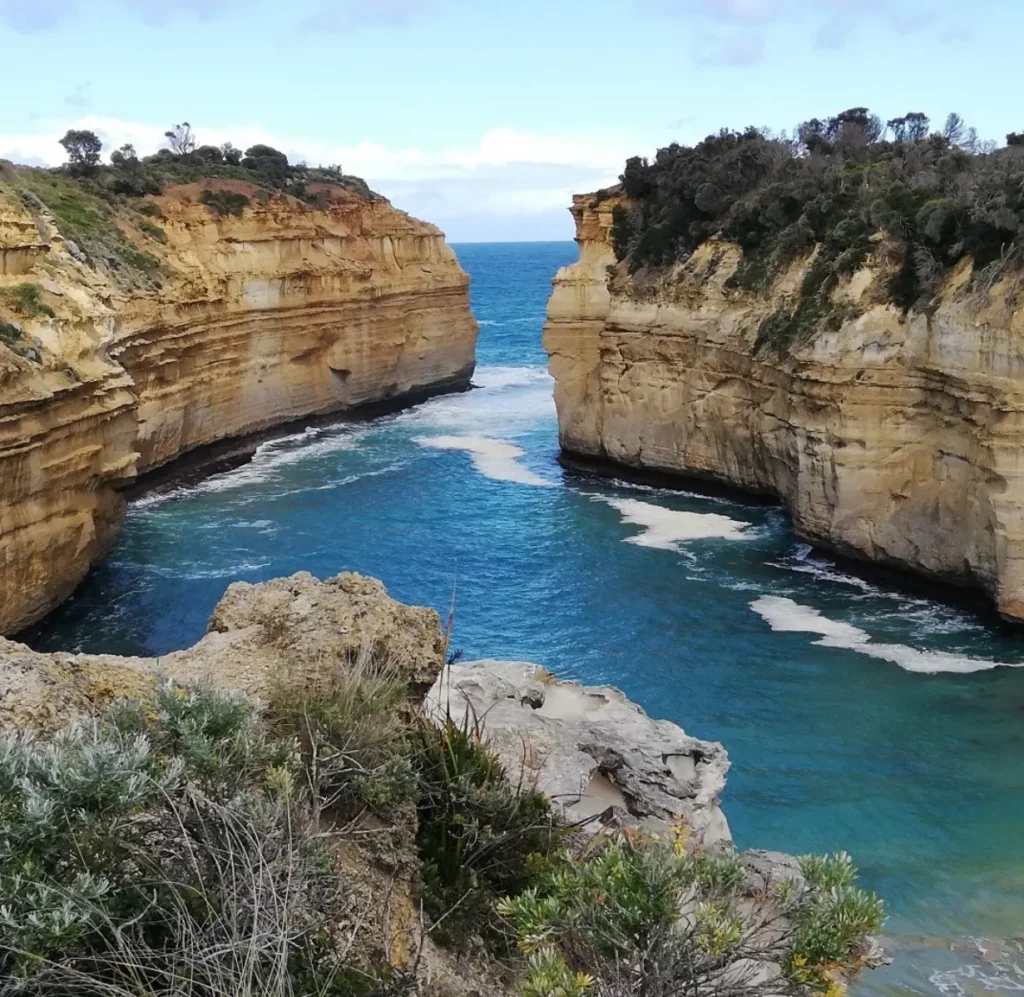
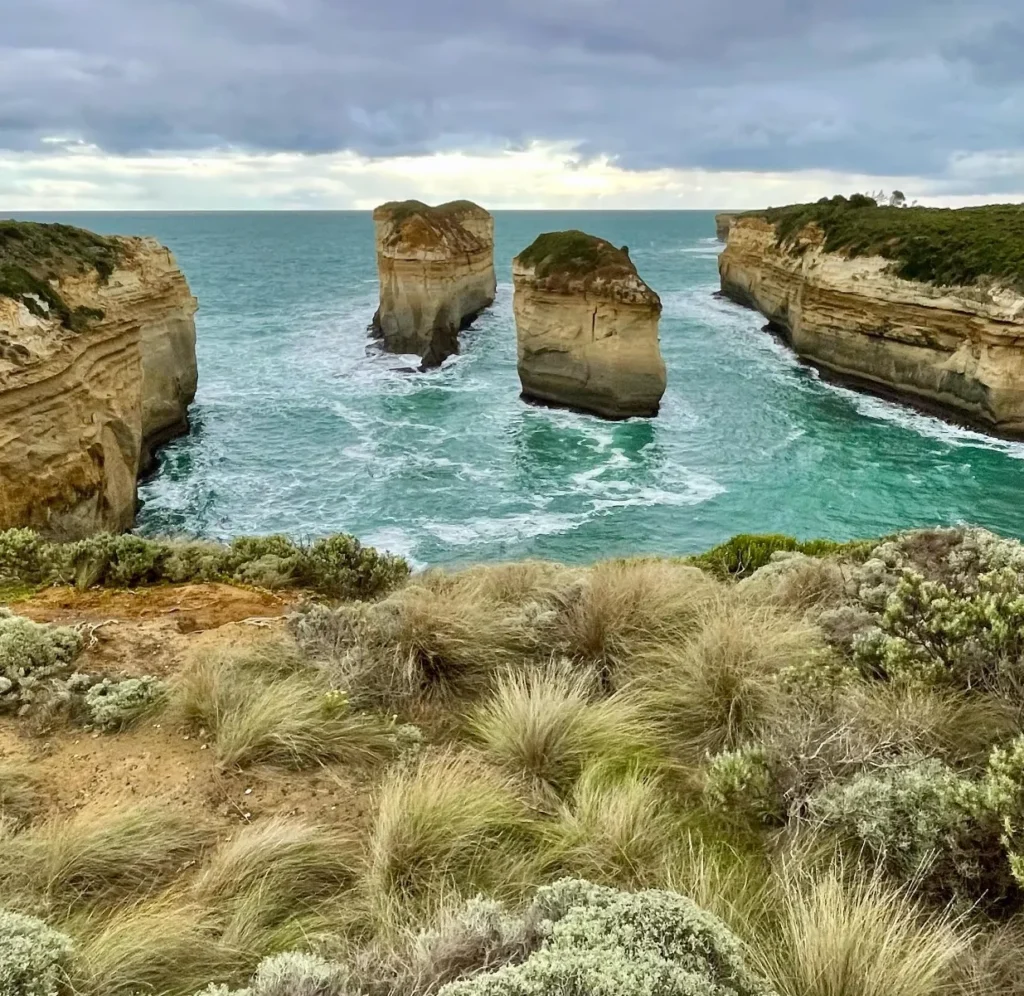
The most famous shipwreck in Victorian history is probably the Loch Ard, which went down in 1878 near Muttonbird Island along the spectacular coastline of the Shipwreck Coast. The iron-hulled clipper was three months into its journey from England to Melbourne when it hit a reef and sank, taking 52 of the 54 people on board with it. The only survivors were a ship’s apprentice, Tom Pearce, and Eva Carmichael, an Irishwoman emigrating with her family. Their story of survival and the dramatic rescue in the chasm that now bears the ship’s name is a sad reminder of the dangers faced by sea travellers in the Bass Strait.
The Falls of Halladale
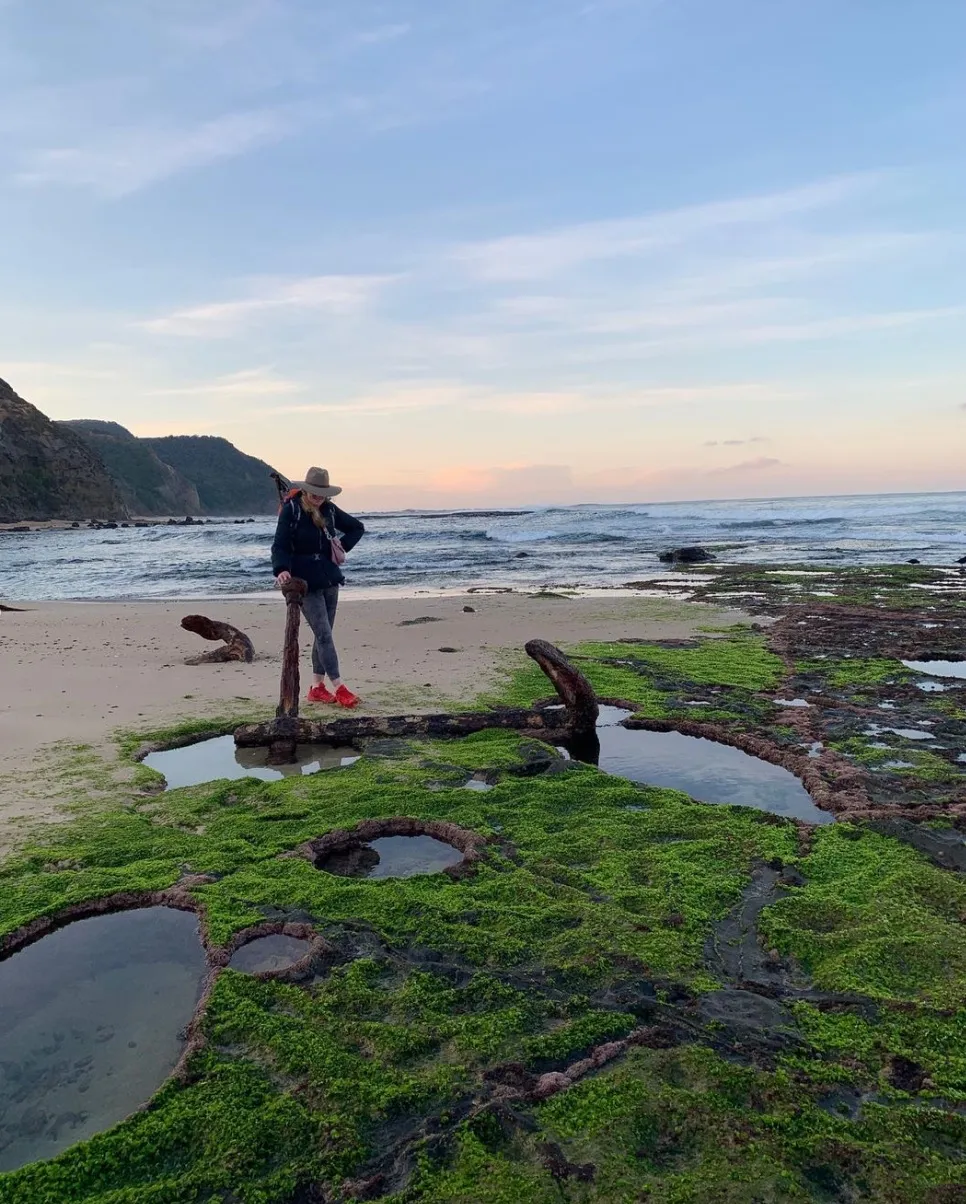
In 1908, the American Clipper Falls of Halladale met the same fate due to a navigational error: it mistook a lighthouse for a passing ship. It ran aground near Peterborough, and amazingly, all crew survived thanks to the local community’s long-standing relationships. The wreck is visible at low tide and reminds us of the dangers of early navigation and the harshness of the Southern Ocean, with its rough seas and storms.
Mystery and Misfortune: The Fiji
Another is the steamer Fiji, which went down in 1891 near Moonlight Head. Carrying passengers and cargo between Melbourne and Tasman Sea ports, it was quickly demolished, sinking in under an hour after hitting a reef. Ten lives were lost, a harsh reminder of the dangers that lie beneath the surface of Port Phillip Bay.
The Stories of the Lesser-Known Vessels
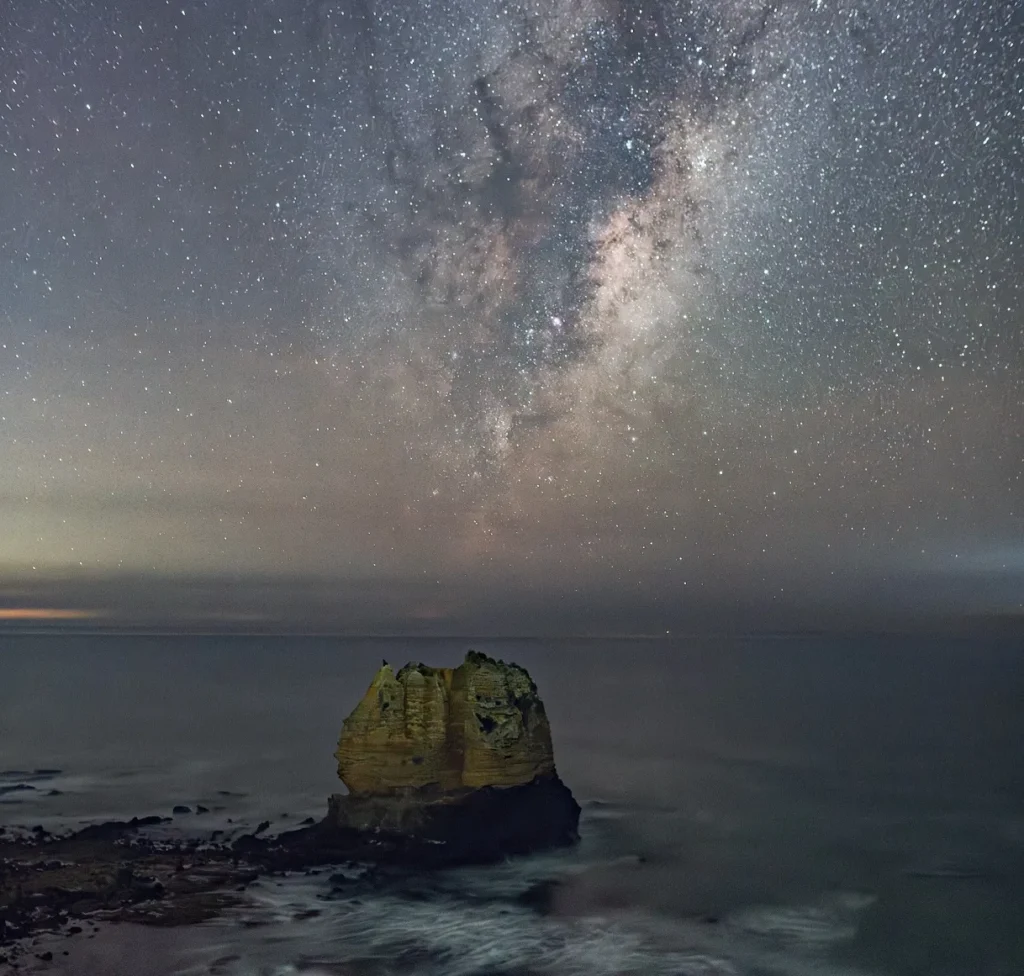
Beyond these well known examples there are many lesser known shipwrecks along the coast, each with its own story. The Casino, which went down in Apollo Bay in 1932, was a steamer used to rough seas, but a rogue wave was its undoing, taking down cargo and part of the local pier. The Speculant, which went down in 1911, and the Joanna, which went down in 1843, give us a glimpse into the past and show us the full spectrum of human error, technological failure and natural disaster that is these maritime mishaps on this beautiful coastline.
Conservation
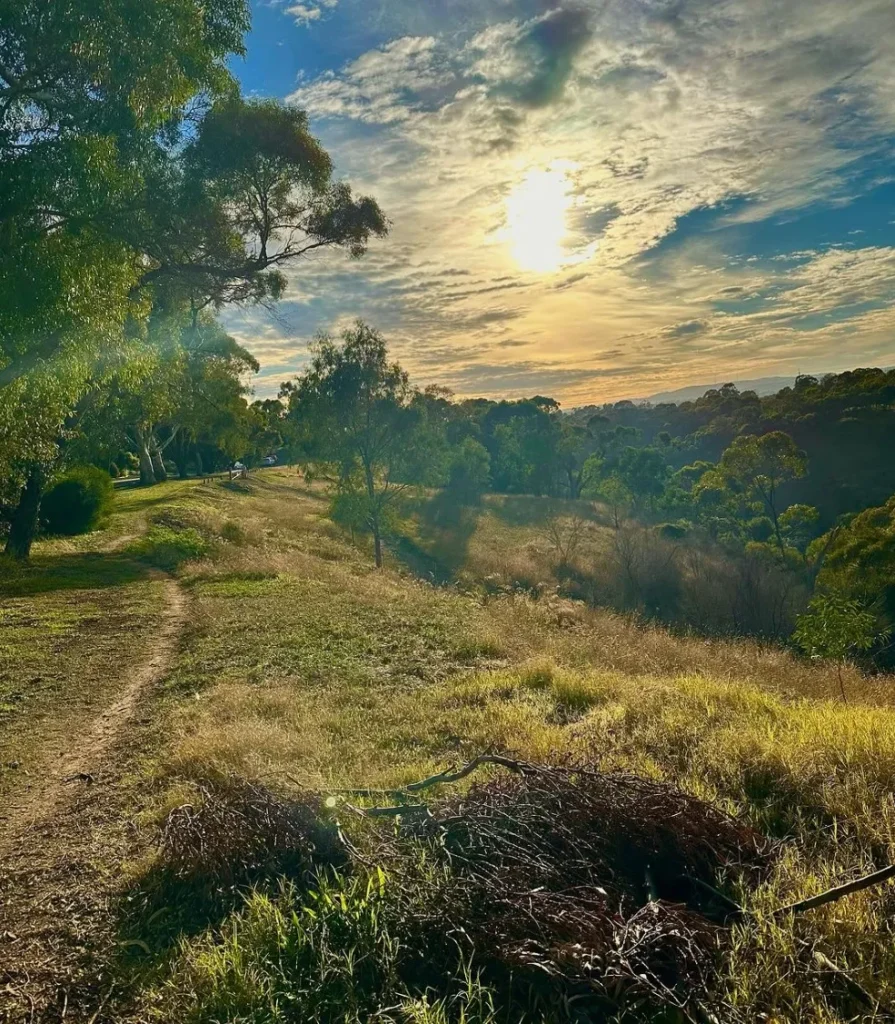
Today, these historic shipwrecks are conserved as historical objects and marine habitats. Protected by state heritage legislation, they are archaeological sites, dive sites and a window into Victoria’s maritime history. Work is ongoing to preserve and protect these sites so the stories and lessons from these vessels can be told and shared with locals and visitors along the Victorian coast.
Conclusion
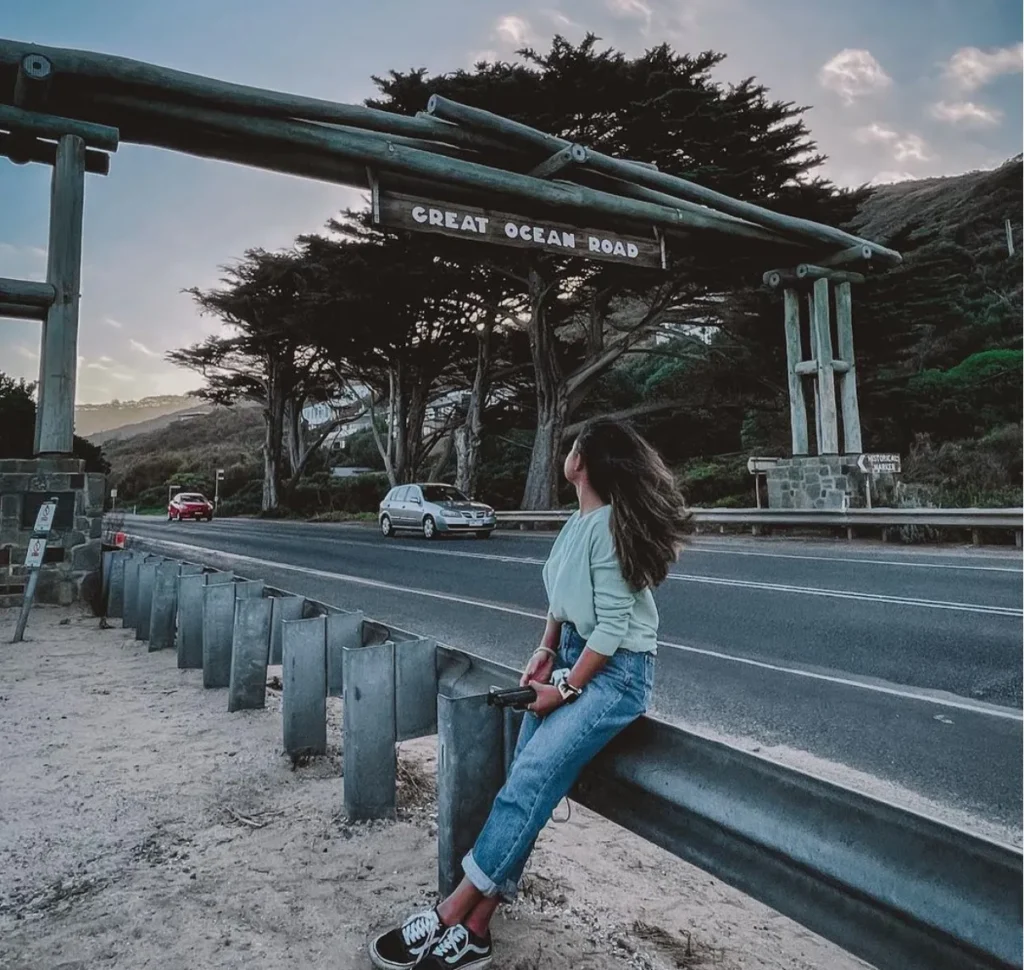
The shipwrecks along the Great Ocean Road are more than just old boats; they are history books of hope, despair, survival and loss. They remind us of the human spirit and the harsh reality of sea travel in the past. As you drive along the Great Ocean Road, take a moment to think about the stories beneath the surface, each one part of Australia’s maritime history and the natural beauty of the coastline. The views and the landscape of the section of the coastline are a world away from the bad weather and rough coastline that caused so many shipwreck stories.
FAQ
Which are the most famous shipwrecks along the Great Ocean Road?
The Loch Ard, the Falls of Halladale and the Fiji are the most well-known, each with their own sad story and history.
How do I get to these shipwreck sites?
Many shipwrecks can be seen from the beach, and some, like the Loch Ard Gorge, are walkable. Diving tours are available for the more intact wrecks.
Are there any safety issues when visiting these wrecks?
Many of the famous wrecks can be seen from land or on a guided dive, but always be aware of the ocean and local signs and warnings, as the sea can be rough.
When should I visit these shipwreck sites?
Great Ocean Road is open all year but conditions for offshore wrecks are best summer and autumn. Check the weather and sea before you go.