Phillip Island is a unique view of the world of marine life and its majestic creatures. This amazing island, located at about 140 kilometres from Melbourne, is widely known for its scenic beauty, the famous Penguin Parade and various marine ecosystems. The waters surrounding Phillip Island from stony shores to sandy depths are home to numerous species, making it an ideal place for sea enthusiasts and conservationists.

A journey beneath the waves
Phillip Island epitomizes marine biodiversity by helping to understand how delicate aquatic ecosystems interact. It acts as a sanctuary for multiple forms of sea life providing vital information on the importance of marine conservation and the natural environment.
Phillip Island offers an exceptional opportunity to explore and learn about the underwater world for anyone keen on marine biology and conservation or just looking for something different in their travel experiences. It is a testament to both the beautiful as well as vulnerable nature of our planet’s oceans reminding us all of our role in preserving them. From watching delightful penguin parades, you also have the chance to kill among kelp or observe curious seals along with their curious counterparts. Phillip Island tour will take you on an unforgettable journey into Australia’s sea creature-filled seas.
The Coastal Charisma of Phillip Island
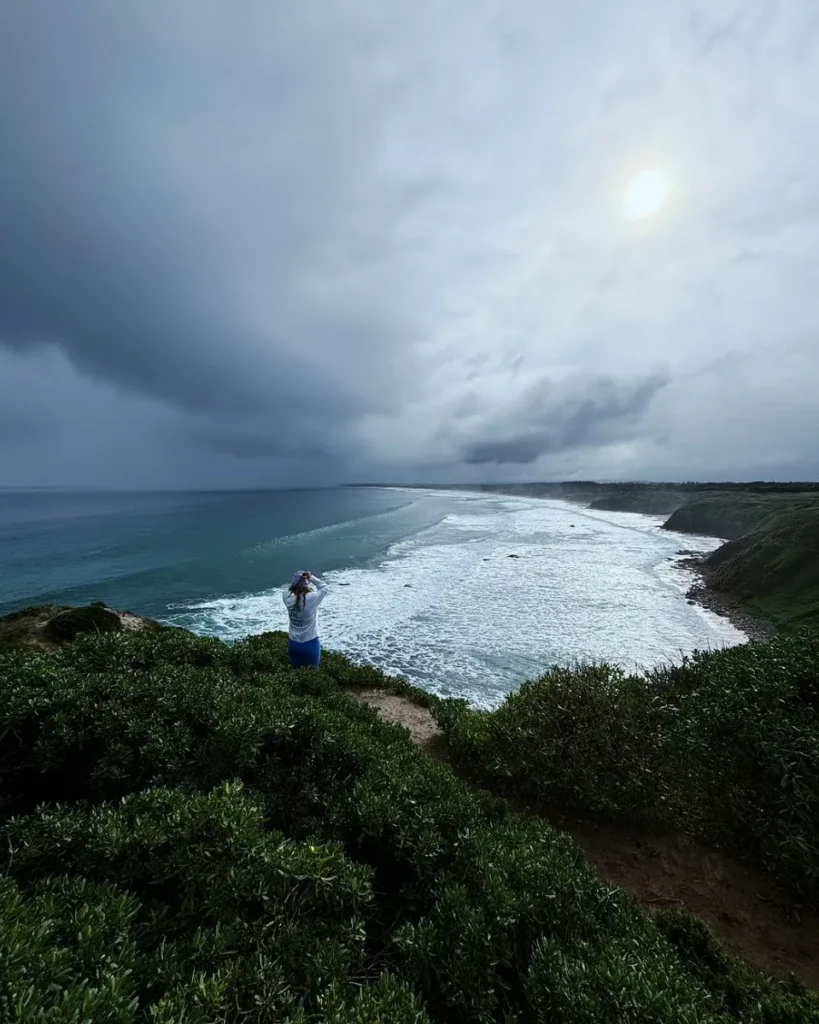
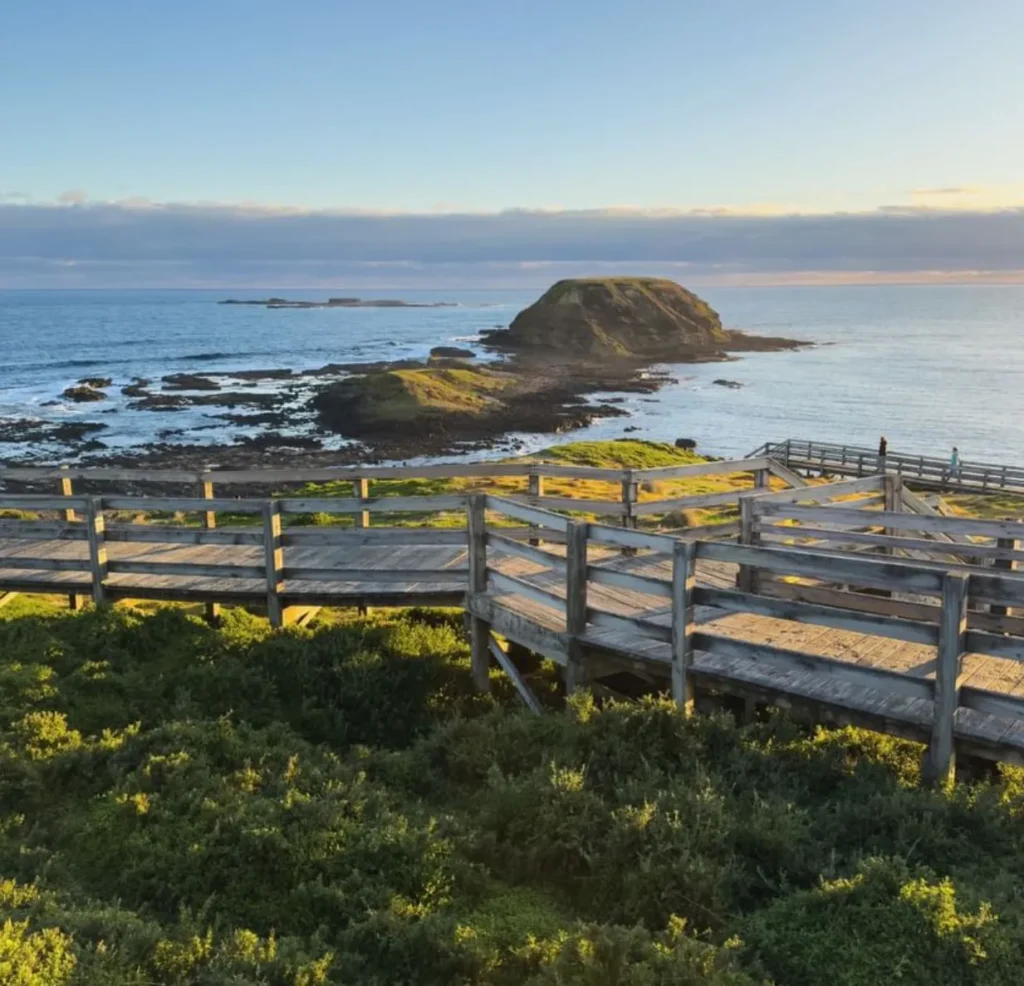
The journey into Phillip Island’s marine biodiversity starts from its coastline which has been shaped by the fierce Southern Ocean waves over time. For example, tidal zones are thriving with activity over here (Miller et al., 2004). As one may see during low tide, rock pools are temporary homes for starfishes and sea urchin crabs, among other things (Thompson & Lunney 1992). These areas give visitors plenty of opportunities to touch marine creatures themselves even if they are very young children hence enabling kids to start understanding what these water-based systems involve.
The Seagrass Sanctuaries
Further inside the water, however, are extensive seagrass meadows, which form important aspects of Phillip Island’s underwater ecology (Paling 1995). In addition to being visually pleasing, these underwater meadows are home to many wild animals. Such seagrass beds act as a nursery for young fish, a feeding ground for green turtles and hideouts for mysterious seahorses and pipefish (Badenach & Pitt, 1974). Beyond the immediate biological impact of these meadows, they also play a part in carbon sequestration thus helping to mitigate climate change.
A Spectacle of Seals and Penguins
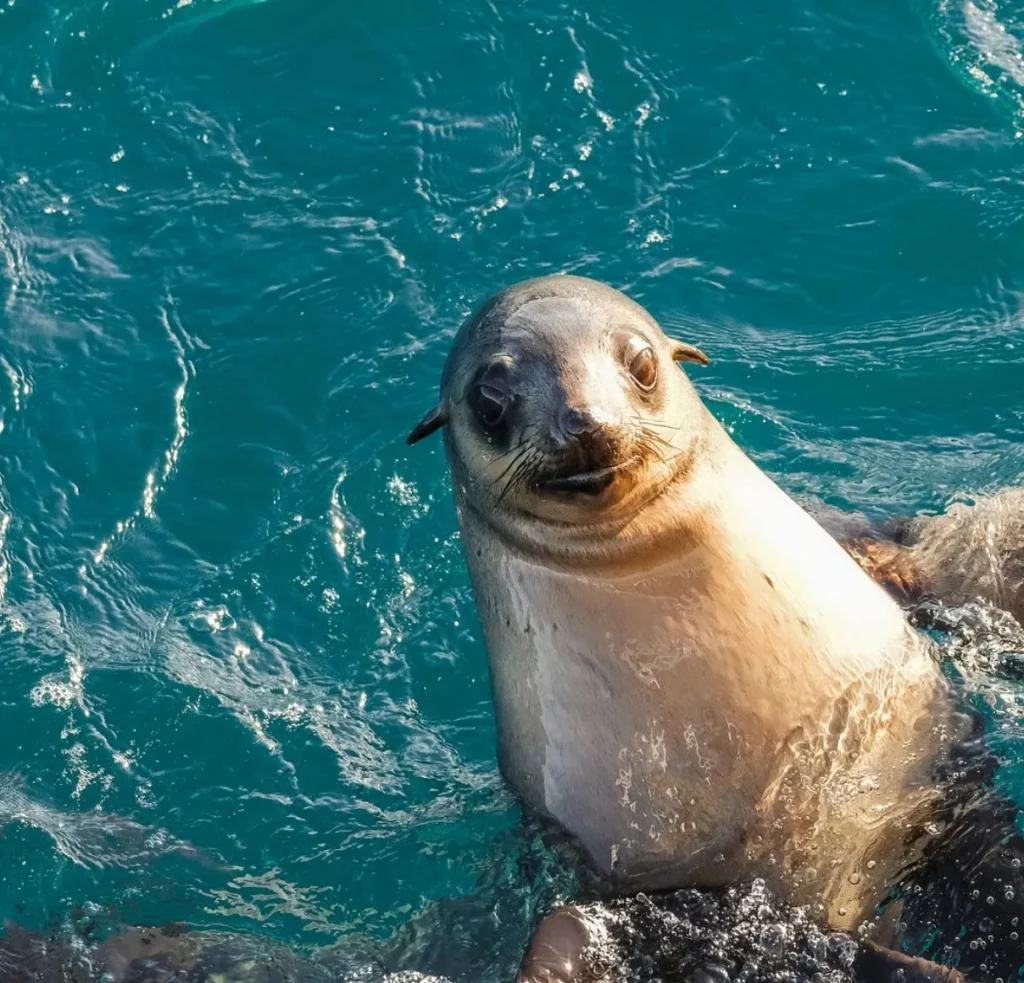
The most charismatic inhabitants of Phillip Island’s waters perhaps would be the Australian fur seals alongside little penguins. On the western tip of this island stands Seal Rocks which forms an important breeding site for these playful mammals. There is always the possibility of seeing seals basking on rocks or playing in water making it fun for Australian wildlife enthusiasts.
As darkness descends over Phillip Island, its smallest residents; little penguins; take centre stage. Every evening indigo-feathered birds come ashore in a delightful procession called “Penguin Parade.” This natural phenomenon attraction for thousands tourists each year drawing attention to the need for preservation efforts that will ensure they continue thriving in their natural habitat.
The kindergarten of seaweed forest
Deeper dives will reveal the underwater kelp forests of Phillip Island as yet another marine life hotspot. These giant algae stand as homes and food for many marine organisms. When diving or snorkelling in these waters, one may come across various species of fish, such as small, colourful blue devils and large snappers floating among swaying kelps. Also, a seal occasionally whizzing by would add excitement to underwater diving.
Efforts on conservation
Among a host of threats to marine ecosystems on Phillip Island are changes in climate and overfishing. To address these challenges, some local organizations have taken significant steps towards the conservation of this distinctive environment. For example, Phillip Island Nature Parks is crucial in research and conservation programs aimed at preserving habitat for future generations.
Educational programs and eco-tours form part of the strategy so that visitors leave with information that will motivate them to contribute to protection efforts. Such activities are important in order to ensure the continued development of marine life at Phillip Island hence making it an epitome in the global conservation quest.
Sustainable tourism
As tourism expands, sustainable practices become more important than ever before. Visitors to Phillip Island must be responsible about their interaction with the environment. This involves respecting wildlife, observing guidelines when watching wildlife and getting involved in local initiatives aimed at conserving the beach like cleaning up the beach or taking educational walks around it.
Safety tips while exploring marine areas:
- Some safety tips should be considered while exploring marine areas;
- One should always check the weather and water conditions before going out.
- One should use appropriate safety equipment like a life jacket on boat trips.
- One should follow all instructions from local authorities regarding minimum viewing distances for wildlife.
- If you have no experience in snorkelling or diving within that particular area, consider taking guided tours.
- Keep yourself hydrated and protected from the sun’s rays because conditions can change quickly.
FAQ
When is the best time to see Phillip Island for marine life?
The best time to visit Phillip Island depends on what you want to see. For example, the Penguin Parade is an ongoing event throughout the year; however, there is more activities happening during peak breeding season between September and March. Also, seal watching is great all year round especially in summer (December – February) when seals are highly active.
Are there specialized tours that target people keen on marine life?
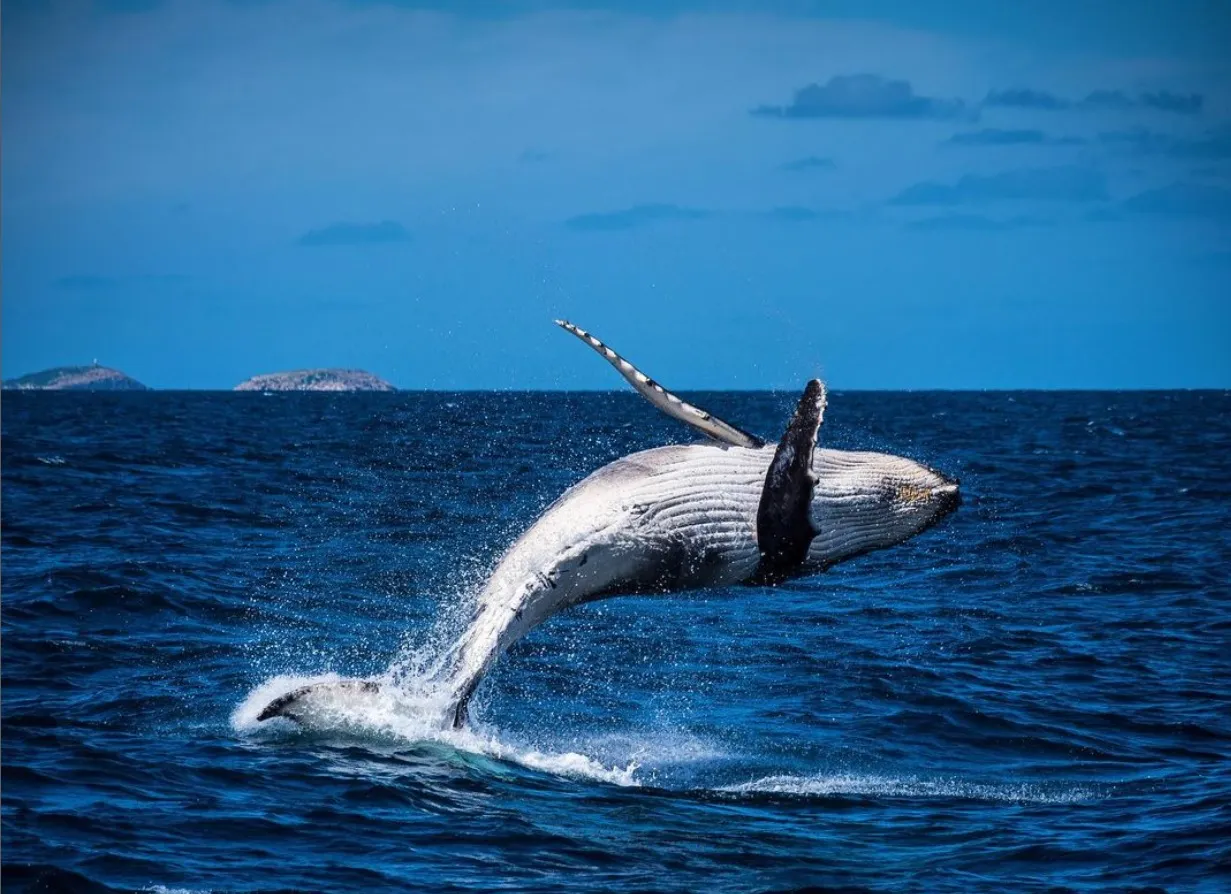
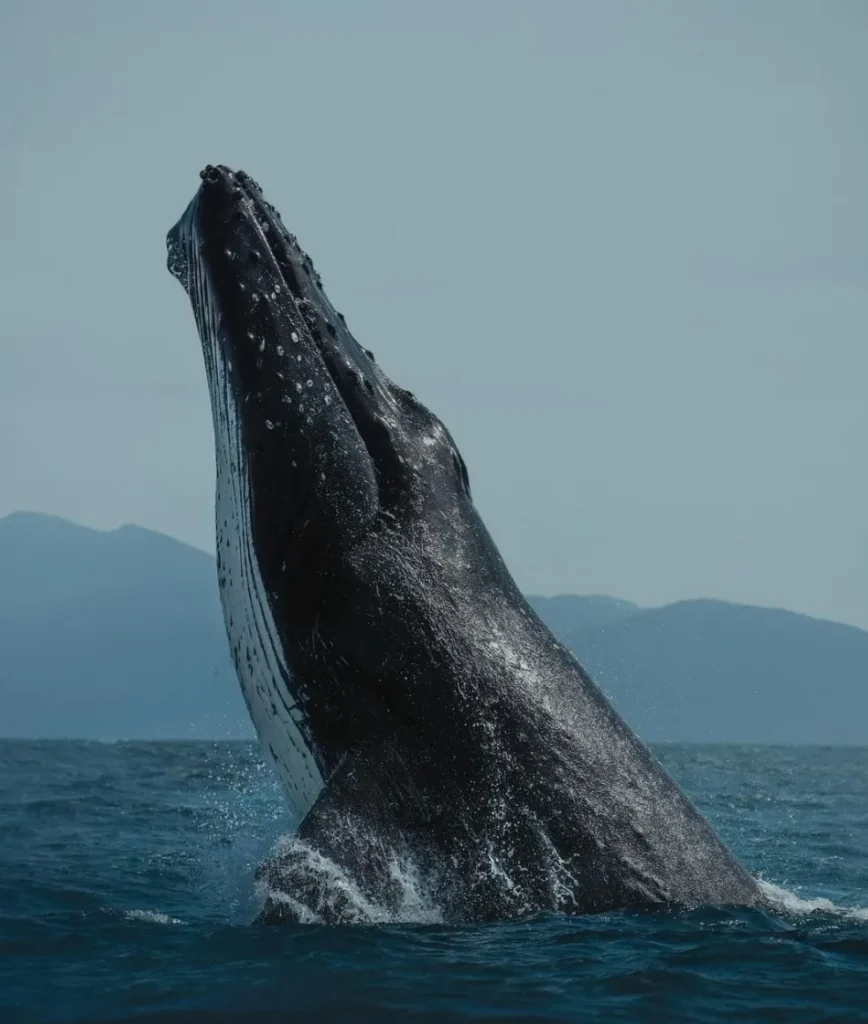
Yes, Phillip Island offers a variety of guided tours specifically designed for marine life enthusiasts. They include boat tours to Seal Rocks to see seals, snorkelling guides through kelp forests and ranger led walks at low tide to explore rock pools). Additionally, those who love whale watching can take part in whale watching tours where they can have a chance to see magnificent creatures such as whales that live naturally, especially during the whale season.
What are some of the unique marine species found around Phillip Island?
Phillip Island’s waters host several unique marine species, including little penguins and Australian fur seals, as well as a variety of seahorses and pipefishes. There are numerous fish species that inhabit kelp forests and seagrass beds, such as blue devil fish, snapper, and leather jackets. In coastal rock pools, one might find starfishes, sea urchins and many other crustacean animals. Humpback whales, along with other types of whales, are also often seen by visitors during the whale season.
Can I rent diving or snorkelling equipment on Phillip Island?
Many local stores in the area stock snorkelling and scuba diving gear, which is available for hire. That means that gear rental shops for these activities will also provide wetsuits, masks, snorkels, and flippers.