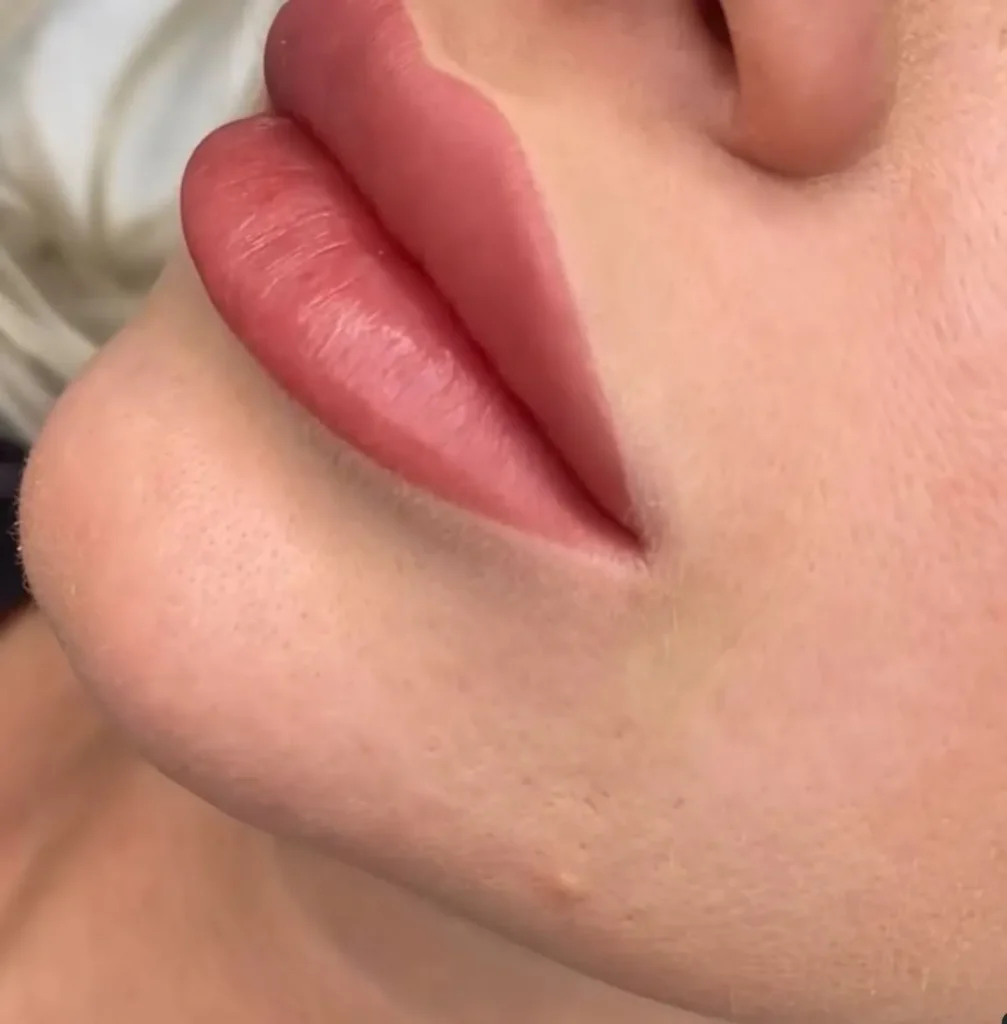
Lip blush tattooing is one of the most popular techniques in the beauty industry and cosmetic tattooing. At the core of any good lip tattoo is an understanding of colour theory. Cosmetic tattooists need to know pigment theory, skin anatomy and how pigment interacts with different skin types. Whether you’re an advanced artist or a beginner student, knowing how to work with undertones and lip pigments is key to beauty. This is taught through comprehensive courses and training.
Why Colour Theory Matters in Lip Tattoos
In cosmetic tattooing, colour theory is key to a good lip tattoo. Unlike traditional makeup where colour can be adjusted daily, a cosmetic tattoo is semi permanent so it will last for several years. So colour theory is even more important as artists need to ensure the lip pigment heals to look natural and blend with the client’s overall look. The pigments used, the interaction with the client’s skin undertones and the final healed colour are all determined by colour theory.
Pigment theory teaches cosmetic tattooists how colours interact with each other and the skin, and a solid understanding of what is a lip tattoo offers the foundational knowledge needed for applying these principles. By understanding the components of colour – hue, saturation and value – tattooists can predict how a particular pigment will behave on a particular skin type. This is crucial when working with different skin tones from light to dark to ensure the final healed result enhances the client’s natural beauty.The Colour Wheel and Pigment Selection
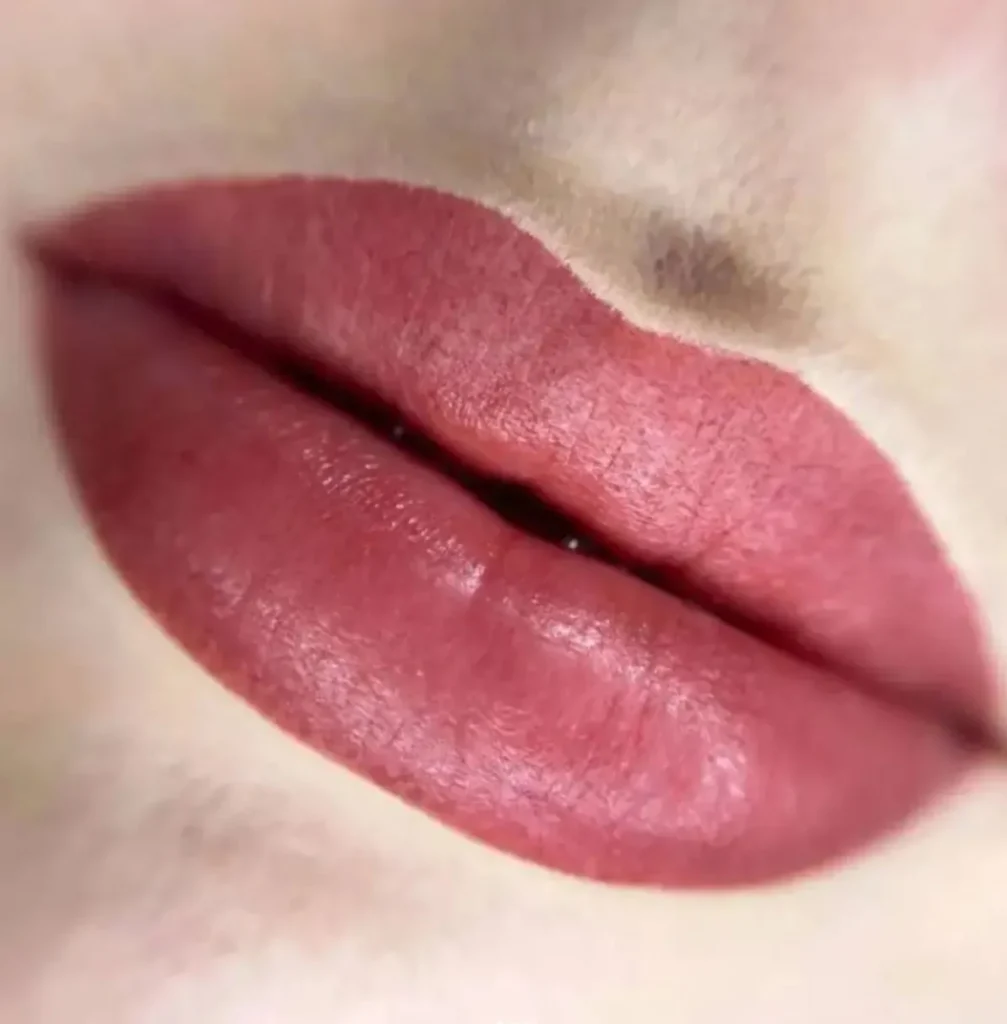
The colour wheel is an essential tool for every cosmetic tattooist as it helps in selecting and mixing pigments. When working with lip pigments the colour wheel guides the artist in selecting shades that will blend with the client’s skin undertones. Cosmetic tattooists refer to the primary, secondary and tertiary colours on the wheel to create custom shades that will enhance the client’s natural lip colour. For example to neutralise lips with blue undertones tattooists may use orange based pigments. For clients with warm skin undertones, may need cooler pigments to achieve a balanced natural look.
Pigment selection is a key part of the cosmetic tattooing process and knowing how colours work together means the lip blush tattoos will look good once healed. This is especially important for clients with darker skin tones as the pigment may heal differently on darker skin. Cosmetic tattooists need to consider how the skin’s natural melanin will affect the final colour and adjust their pigment choices accordingly.
Skin Types and Pigment Interaction
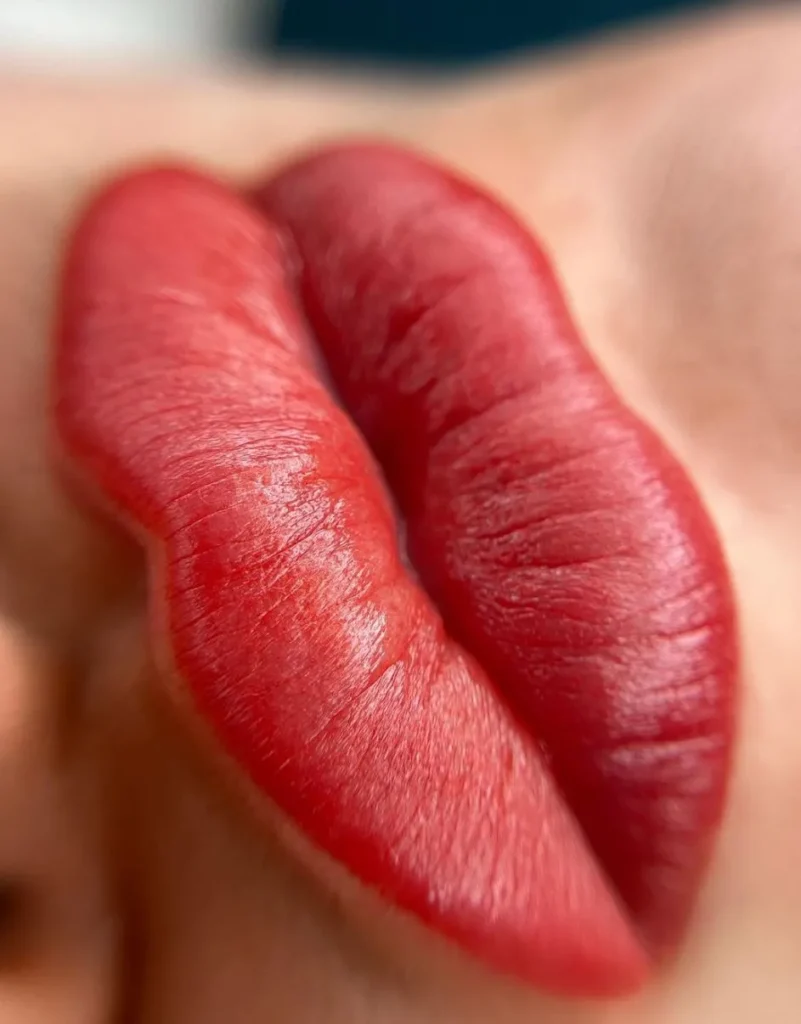
Understanding the anatomy of the skin is another important part of cosmetic tattooing. The different layers of skin, dermis and epidermis affect how the pigment holds over time. Tattooists trained in the anatomy of skin know how to adjust needle depth and pigment application to each client’s individual skin type to minimize over penetration or fading.
The Healing Process and Pigment Adjustments
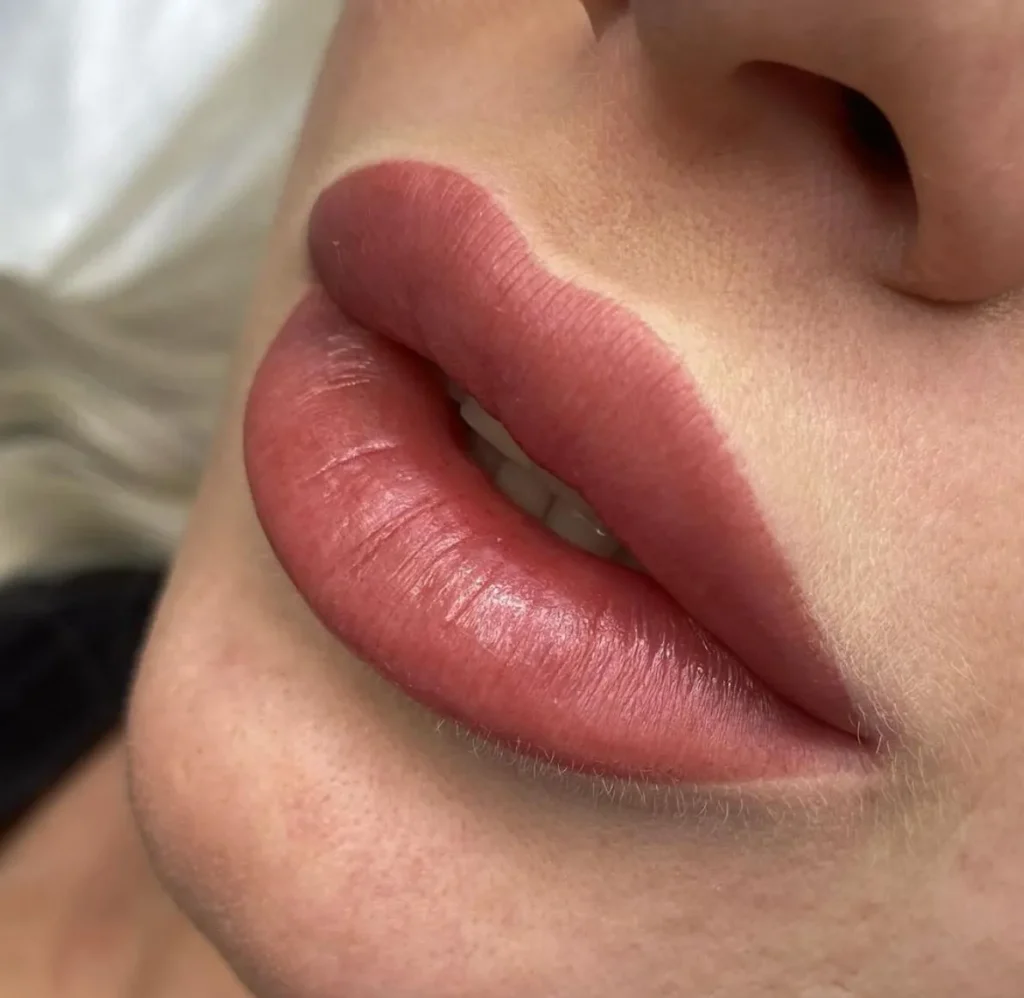
During the healing process lip pigments change. Immediately after the procedure the colours are more intense but soften as the lips heal. Pigment preparation and knowledge of pigment characteristics ensures that once the healing process is complete the lips will retain the desired colour and tone. Cosmetic tattooing techniques taught in practical training helps artists to anticipate and adjust pigment outcome for different lip types.
How to Get the Perfect Shade
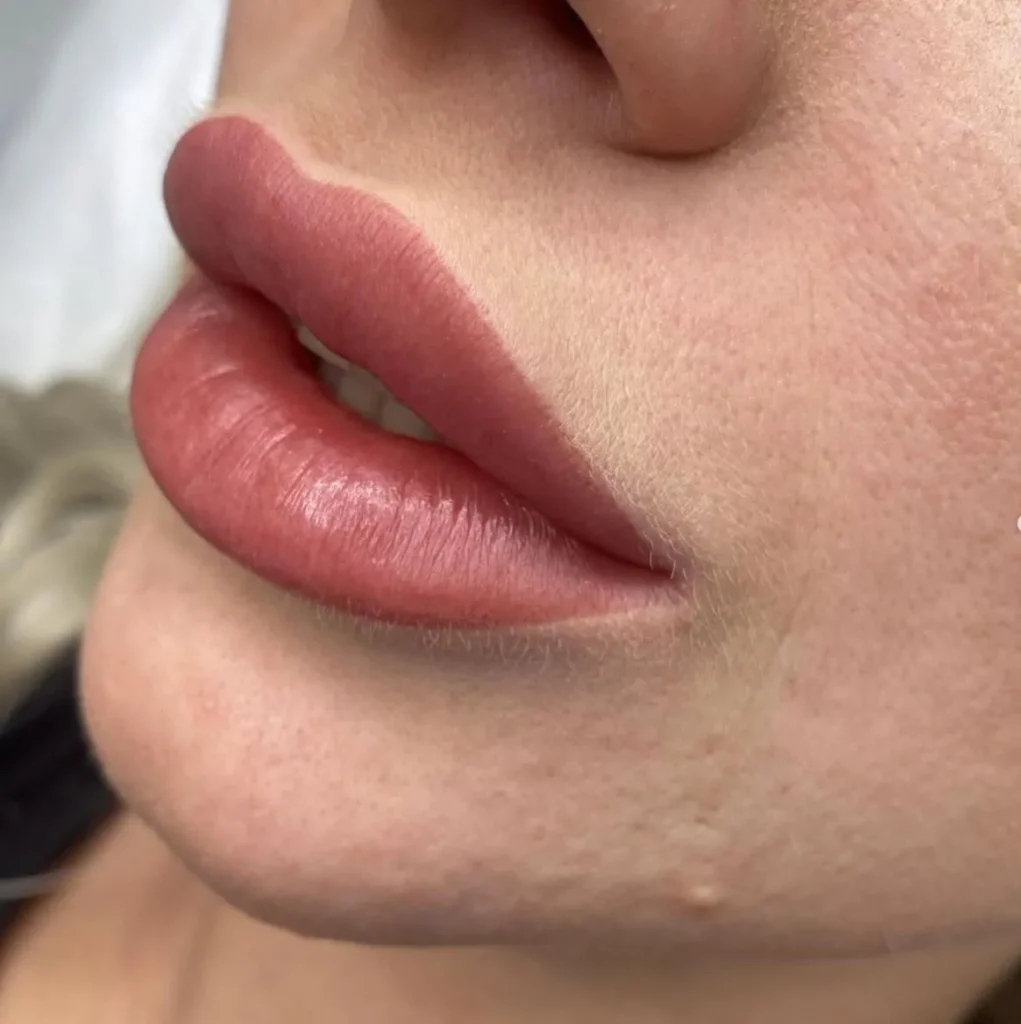
One of the skills taught in cosmetic and fine line courses is mastering pigment and colour mixing. These skills allows artists to achieve subtle natural lip colours and bold colours. Lip shaping and lip tinting are two techniques used by cosmetic tattooists to enhance lip symmetry and colour and make the lips look fuller. Through practical and online training tattooists learn how to layer colours, use needle cartridges and apply topical anaesthetics for a pain free procedure.
Cosmetic Tattoo Consultations
Training and Certification
Cosmetic tattoo courses like Cosmetic Tattoo Melbourne by Olha Po offers CPD accredited training. From beginners to advanced artists these courses includes practical training and online training covering all aspects of cosmetic tattooing. Students learn about needle theory, prevention of skin penetration and advanced artist techniques. Upon completion of the course students receive a diploma or certificate of completion.
Conclusion
Lip tattoo colour theory is essential for any cosmetic tattooist wanting to deliver beautiful long lasting results. From understanding pigment theory to selecting the right pigments for different skin tones and lip types, training is key. Lip tattoo courses give beauty professionals the practical and theoretical knowledge they need to succeed in the cosmetic tattooing industry.
Written by Cosmetic Tattoo Artist Olha Po
FAQ
What is pigment theory in cosmetic tattooing?
Pigment theory is understanding how different pigments work with each other and the skin to achieve the desired colour outcome in cosmetic tattooing.
How does skin type affect the lip blush healing process?
Oily skin can make pigments fade faster, dry skin can hold pigment longer. Proper pigment selection and aftercare is key to getting the best results for each skin type.
Why is the colour wheel important for lip tattooing?
The colour wheel helps cosmetic tattooists choose matching pigments so the final lip colour blends with the clients natural undertones.
What equipment is used?
Professional equipment such as needle cartridges, pigment holders and topical anaesthetics are used during the cosmetic tattooing procedure to ensure safety and accuracy.
What qualifications do I need to be a cosmetic tattooist?
A full program including theory and practical training in pigment preparation, infection control and client consultations is required. Upon completion a diploma or certificate is issued.