Alice Springs Desert Park is that crucial park for environmental education, situated on the outskirts of Alice Springs along the beautiful Larapinta Drive. It provides a real desert experience, which helps people to appreciate the holistic Australian desert and its cultural heritage. In this regard, it is an interactive place where through immersion, visitors get insight into how delicate desert ecosystems operate and understand how Aboriginal people have been surviving in such harsh conditions for many generations.
Unique Desert Landscape
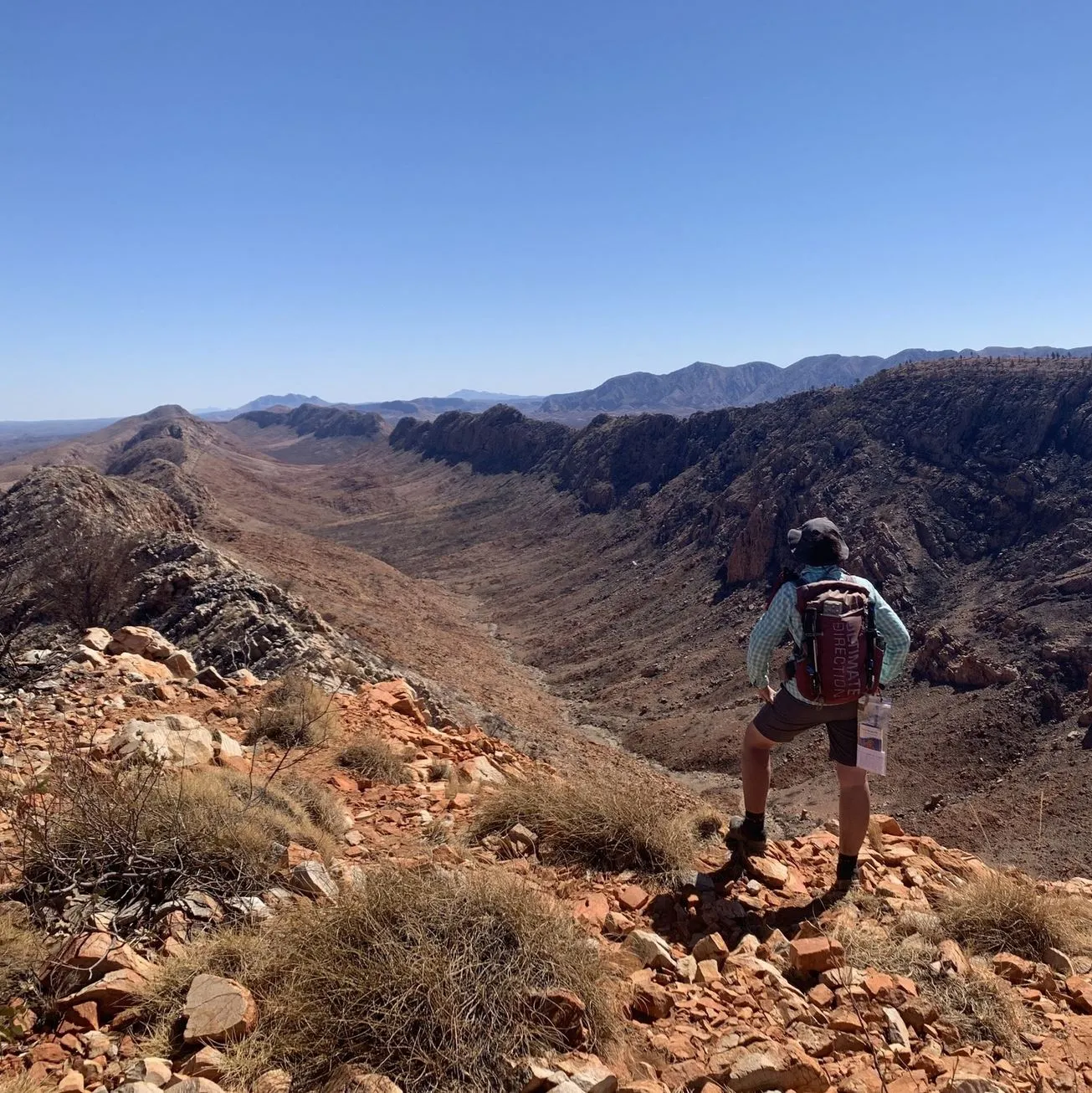
The landscape of Alice Springs Desert Park magnificently depicts the ancient landscapes characteristic of Central Australia. These include vast sand dunes and dynamic rivers that give life to deserts. Flooded water channels suddenly appear out of nowhere turning dry river beds—what appears as barren land—with no vegetation cover—into lush verdant ones. The sudden births demonstrate resilience and adaptability of natural environments exemplified by this park.
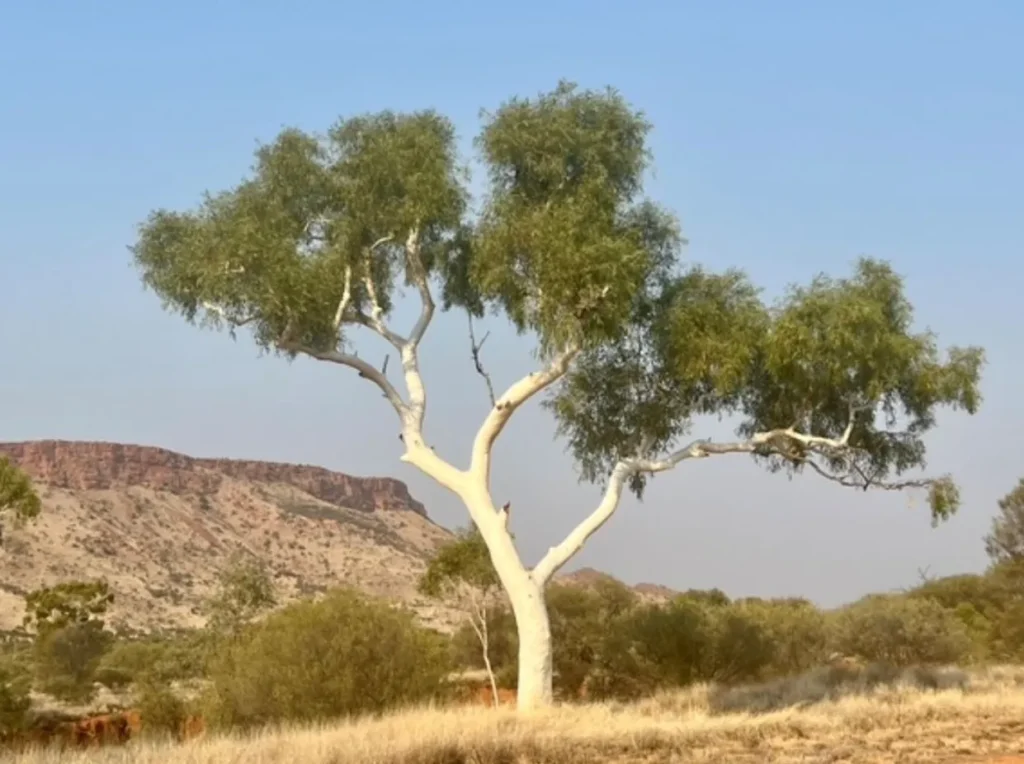
Every visitor is welcomed by stunning landscapes showing off what characterizes the region. Walking trails meandering through different habitats represent diverse ecosystems found within a typical Australian arid zone – these trails however do not only offer a scenic route but are also informative about conservation efforts and importance of nature to local fauna.
History of the Park
Constructed in 1997, Alice Springs Desert Park was developed in partnership between Aboriginal people and Northern Territory Government. This park does not only serve as a tourist attraction, but it is also an active plant-holding garden as well as a zoo with living creatures from all over the world, including endangered species or breeds that come from the Australian desert ).

The history of this site forms part of current Arrernte culture practiced by local Aboriginal communities particularly those living near it . As such, it has become one amongst foremost places for developing an understanding on desertology thereby combining scientific knowledge with Aboriginal traditionalism for deepening admiration of Australia’s desert.
Mission and Goals
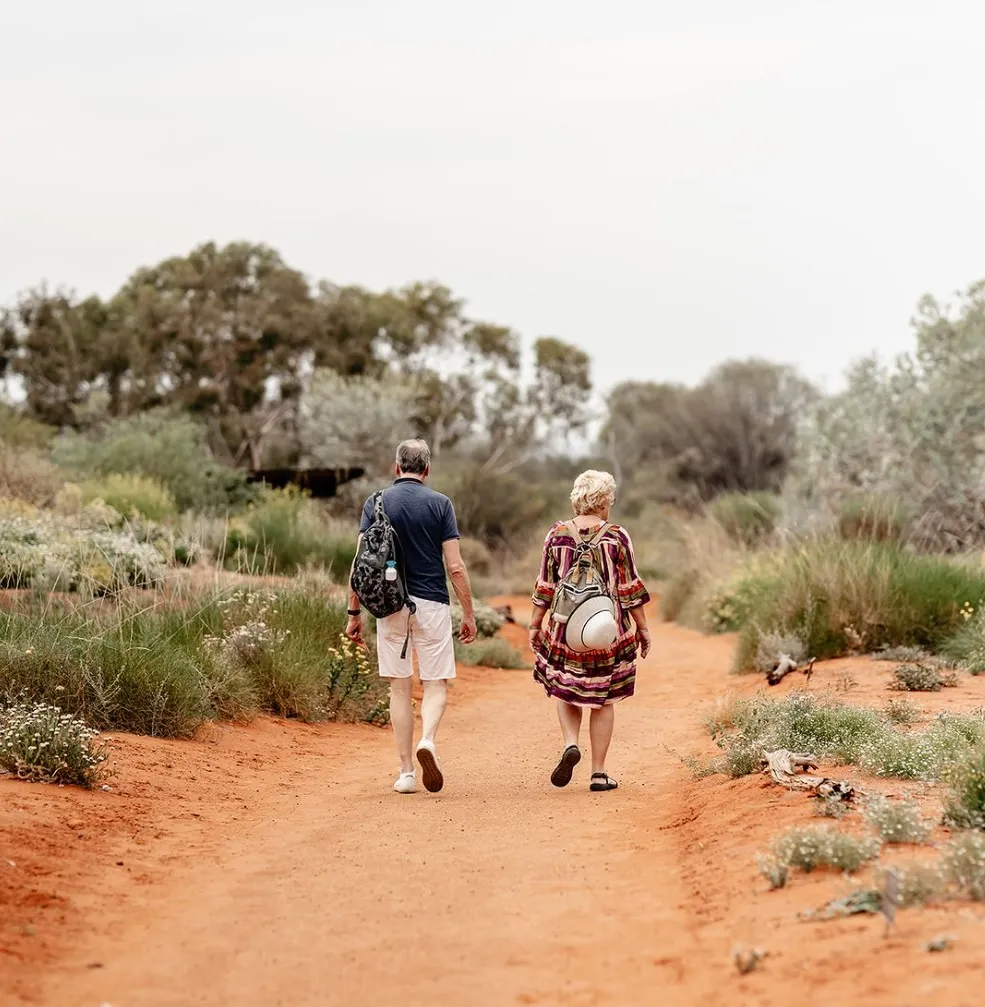
Its overall goal is to enhance understanding of, appreciation for and engagement with the environment and cultural richness of the Australian desert. In addition, it promotes conservation as well as sustainability rather than just observation of the natural beauty in the region. Subsequently, these objectives include: enhancing a greater knowledge on ecological and cultural importance of this arid zone; inspiring visitors towards life in deserts through educational programs that unveil interdependence among organisms.
Cultural Significance
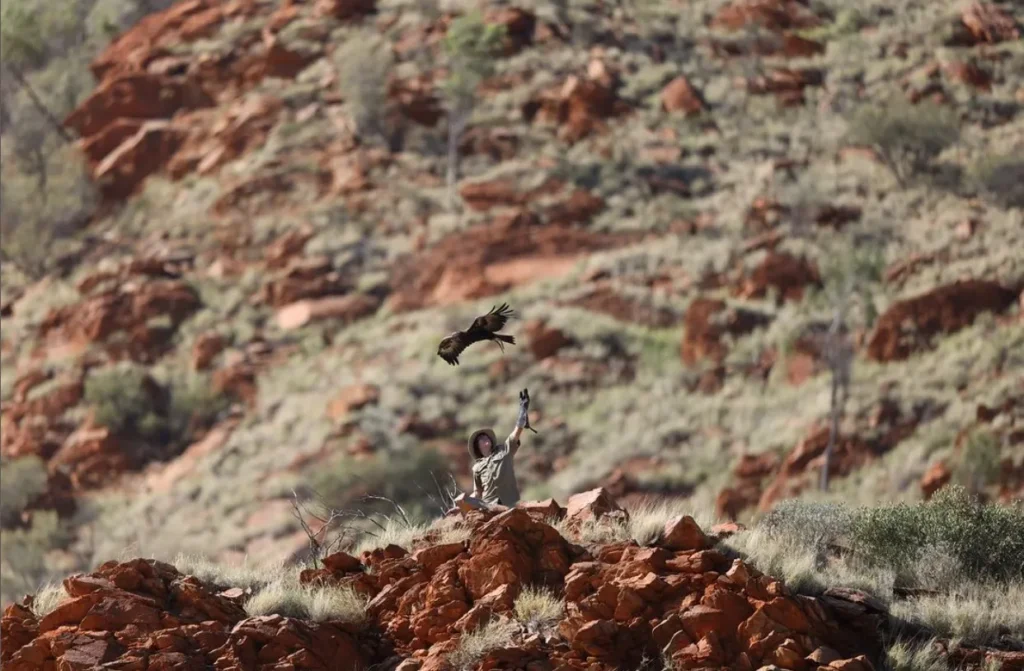
Alice Springs Desert Park is dear to many Aboriginals living around there because it remains culturally significant, providing a platform for daily presentations on contemporary Aboriginal culture that tell stories in thousands over thousands years from one generation to another. These are not simply cultural tales but lessons and wisdom about how man lived sustainably using resources from his surroundings.
The park hosts daily cultural presentations reflecting the rich Aboriginal heritage and its ongoing influence. These sessions, led by Aboriginal guides, involve demonstrations of traditional tools, bush tucker, and storytelling to provide a captivating representation of Aboriginal culture. It is through these cultural fusions that each visit to the park gives insight into the lives of people who have called the desert their home for thousands of years.
Facilities and Attractions
Desert Habitats

A range of distinct desert habitats are meticulously reconstructed in Alice Springs Desert Park. Each setting is designed to be realistic as well as educational so as to bring out the diversity of desert plants and how they overcome challenges posed by their territories. While sparse vegetation with shifting dunes characterizes Sand Country, lush water-rich areas along dry river beds mark areas where water birds and other wildlife gather during wet seasons.
Desert Park Animals

Various kinds of desert animals inhabit this park ranging from red kangaroo which is iconic to some rare and endangered species such as Central rock-rat. Every enclosure is built based on where these animals live naturally allowing visitors to observe them behaving in surroundings close to those they would experience in wild environments. The kangaroo enclosure, together with predator-proof enclosures for small mammals, are particularly popular because they give people a chance to see what life in a desert entails.
Free-Flying Bird Show
At Alice Springs Desert Park one can find an amazing attraction – free-flying bird show. This display features birds of prey among other things which clearly exhibit their natural behaviors showing how they catch their prey and survive in this environment. However, it’s not only about displaying the agility and beauty but also acquiring knowledge on how they operate within ecology.
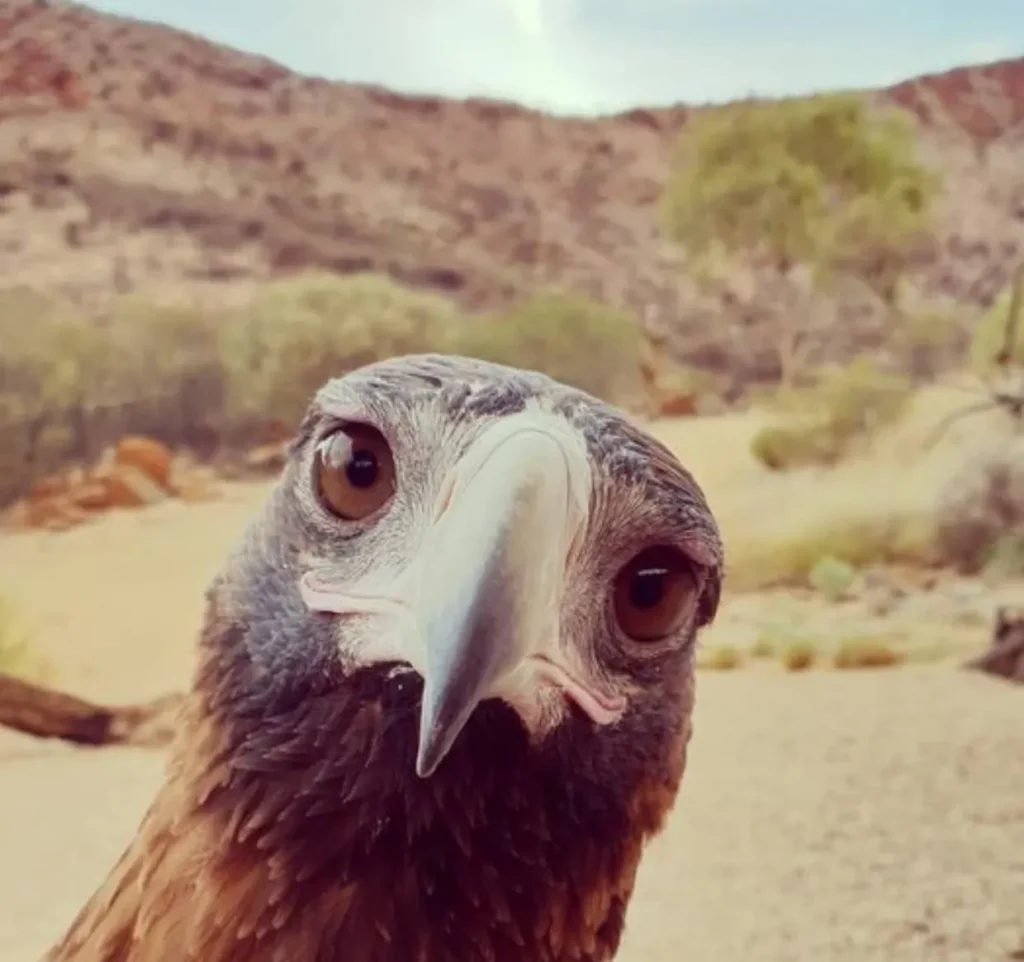
Afterward there is a bird walk with knowledgeable guides providing more information about each species; thereby providing a comprehensive educational experience that delights not just lovers but also enlightens admirers about their plight in nature.
Daily Cultural Presentations
Alice Springs Desert Park’s daily cultural presentations offer a unique insight into the rich heritage of the Aboriginal people. For thousands years, these presentations form one of the pillars through which visitors are educated about ancient and ongoing cultural traditions that have shaped the desert. Story telling sessions, traditional skill demonstrations as well as explanations about why different desert plants and animals are important in culture are some of the sessions open to park visitors every day.

The hands-on demonstrations of traditional skills such as tool and weapon making help visitors understand how Aboriginal people survived in the harsh desert environment. Bush tucker discussions accompany these activities where guides enlighten on nutritional and medicinal roles played by indigenous plants. This is what makes this living culture alive during such performances among other things that come with it for better exploration.
Nocturnal Tour
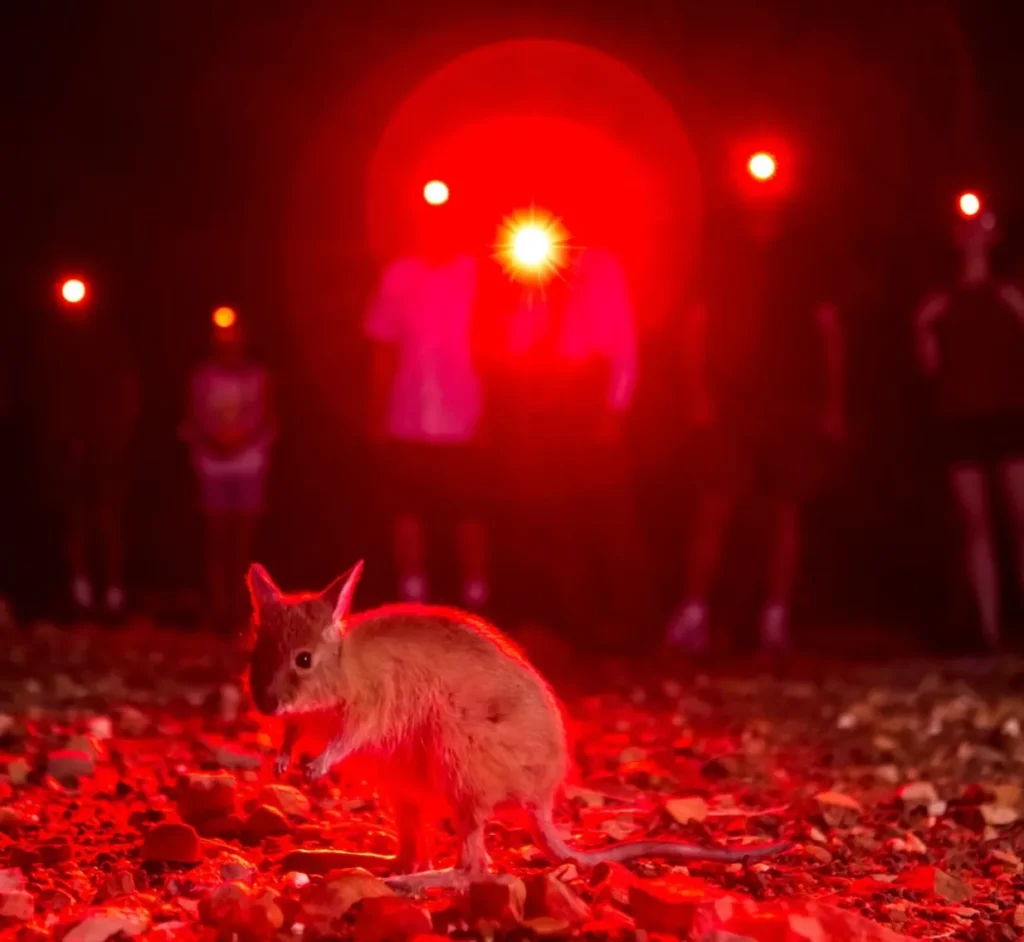
Alice Springs Desert Park Nocturnal Tour is an unforgettable experience that enables visitors to get an insight into the secret lives of desert animals at night. The Alice Springs day tour provides a unique opportunity to observe nocturnal animals in their natural habitat under guidance from professional guides who give their expert opinions based on years they have spent observing behaviors and adaptations of those creatures.
In order to minimize the disturbance to the animals and to provide a more personalized and informative experience for participants, the tour is conducted in small groups. In preparation for evening temperatures, tourists should come with water bottles and dress comfortably. The night visit shows that the centre wants its guests to have real-time interactions with desert wildlife.
Ticket Information
Entry Cost
Alice Springs Desert Park has different ticket options for different types of visitors. Standard day entry tickets are available that will enable you access all exhibits, presentations and walking trails at the park. The family saver packages also exist where there are discounts given to families so that it becomes cheaper when exploring the park together. For individuals planning numerous visits, Desert Park Membership offers excellent value through unlimited entry for a year plus additional benefits such as discounting on nocturnal tours as well as special events.
| Ticket Type | Price (AUD) | Notes |
|---|---|---|
| Adult | $37.00 | Standard day entry |
| Child (5-16 years) | $18.50 | Standard day entry |
| Family Saver | $92.00 | 2 Adults + 2 Children |
| Membership | $110.00 | Unlimited annual entry |
| Nocturnal Tour | $45.00 (Adult) | Special evening tour |
| $22.50 (Child) |
Opening Times
To ensure that one can fit in their program, Alice Springs Desert Park runs every day of the week It opens at 7:30 AM and closes at 6 PM with extended times during cooler months which allow people to enjoy magnificent sunrise an sunset over the beautiful desert area in town. These hours give more chances of visiting in different light conditions therefore making things better about how visitors understand this environment.
The early opening times are particularly beneficial for those wishing to explore the park before the heat of the day sets in; it also allows bird lovers who want to see morning activities by various birds nested in the park. More so, the park’s flexible hours accommodate an array of daily activities and presentations thereby ensuring that there is always something to see and do any time one comes.
Alice Springs Desert Park is more than a tourist destination; it is a place of learning, discovery and connection. The park has provided an invaluable experience that enhances understanding and appreciation of the Australian desert by offering a comprehensive look at its unique ecosystems as well as the rich cultural heritage of the Aboriginal people. Every second spent in this park, whether watching free-flying birds or participating in nocturnal tour or getting educated through cultural presentations on daily basis counts for greater environmental consciousness.
FAQs
What is the best time to visit Alice Springs Desert Park?
The best time to come here is during cooler months from April to September when temperatures are low enough for outdoor activities. At this season, weather conditions are mild allowing visitors to walk comfortably along its trails without feeling too hot.
Are there facilities available for people with disabilities?
Yes, special pathways that can be used by disabled persons have been constructed inside while viewing platforms that are meant specifically for them have also been provided at this place. In addition to this, electric scooters are offered on rental basis thus helping such guests move with ease within the premises especially if mobility becomes problematic.
Can I participate in any hands-on activities at the park?
Yes, there are a number of interactive offerings such as guided Alice Springs day trips, animal encounters and cultural workshops organized by the facility. These activities are intended towards all ages among tourists who wants to understand more about desert life and Aboriginal culture better.
How much time should be allocated for Alice Springs Desert Park tour?
To get the most out of it the whole park one should take a minimum of half a day, however, it is advisable, if you can spare that time, to go for a full day and participate in talks and shows. This will give you enough time to visit different habitats in the park enjoy free-flying bird show as well as participate in cultural performances staged daily.
Can we buy food from within the park?
Yes, there are café facilities inside which serve meals, snacks and drinks bought by people who have gone round on foot. It is located within Alice springs Desert Park and has locally produced dishes as well as other options to meet varying dietary requirements.